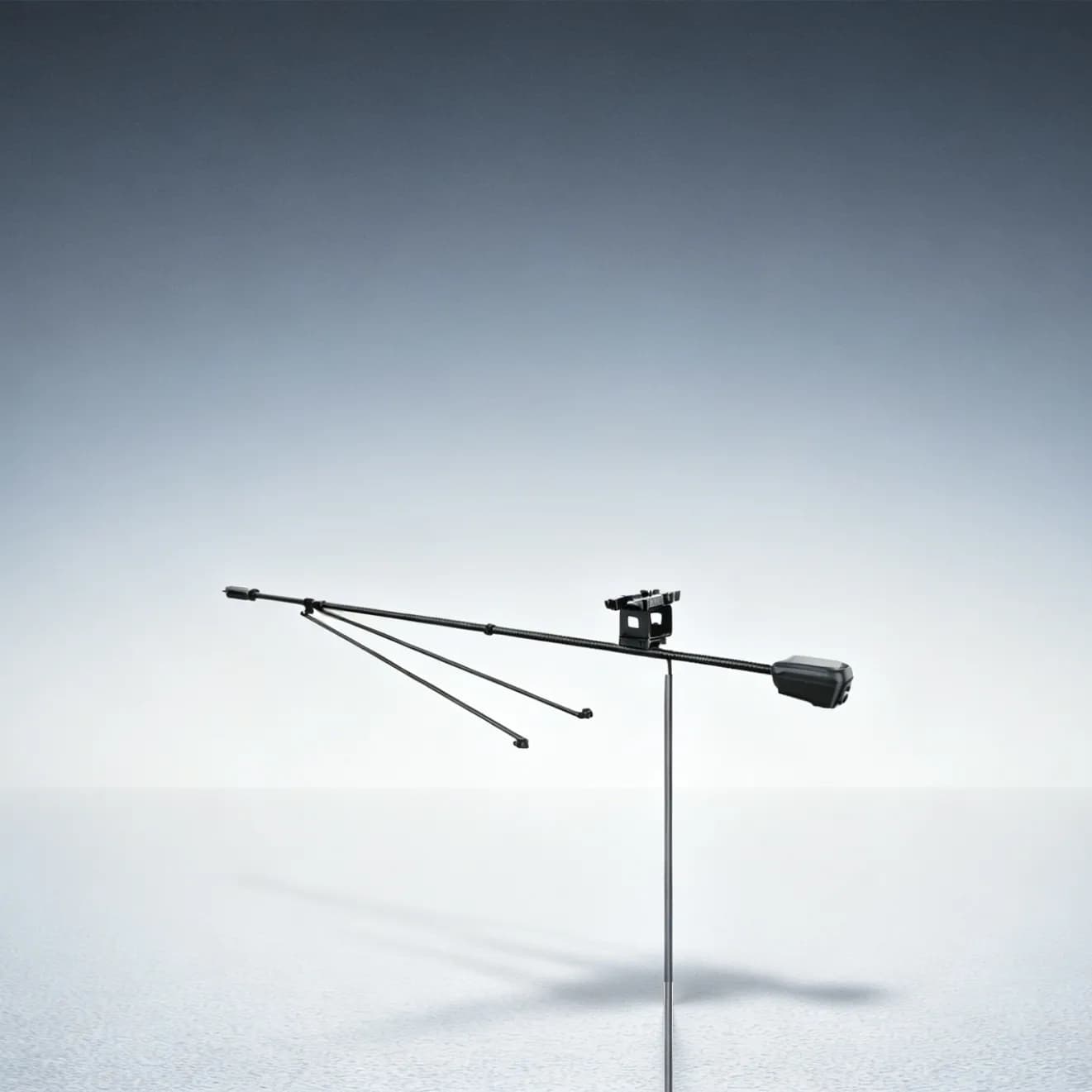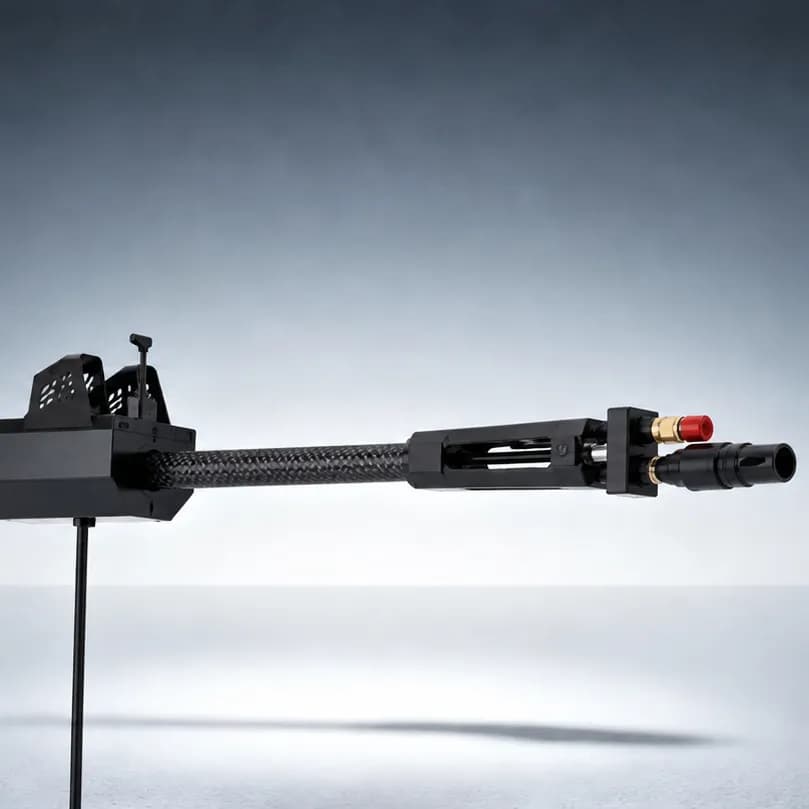
Wheel-leg movement
The wheel-leg design steps over façade obstacles up to 200 mm, supporting movement across framed and composite surfaces.
Cleaning systems
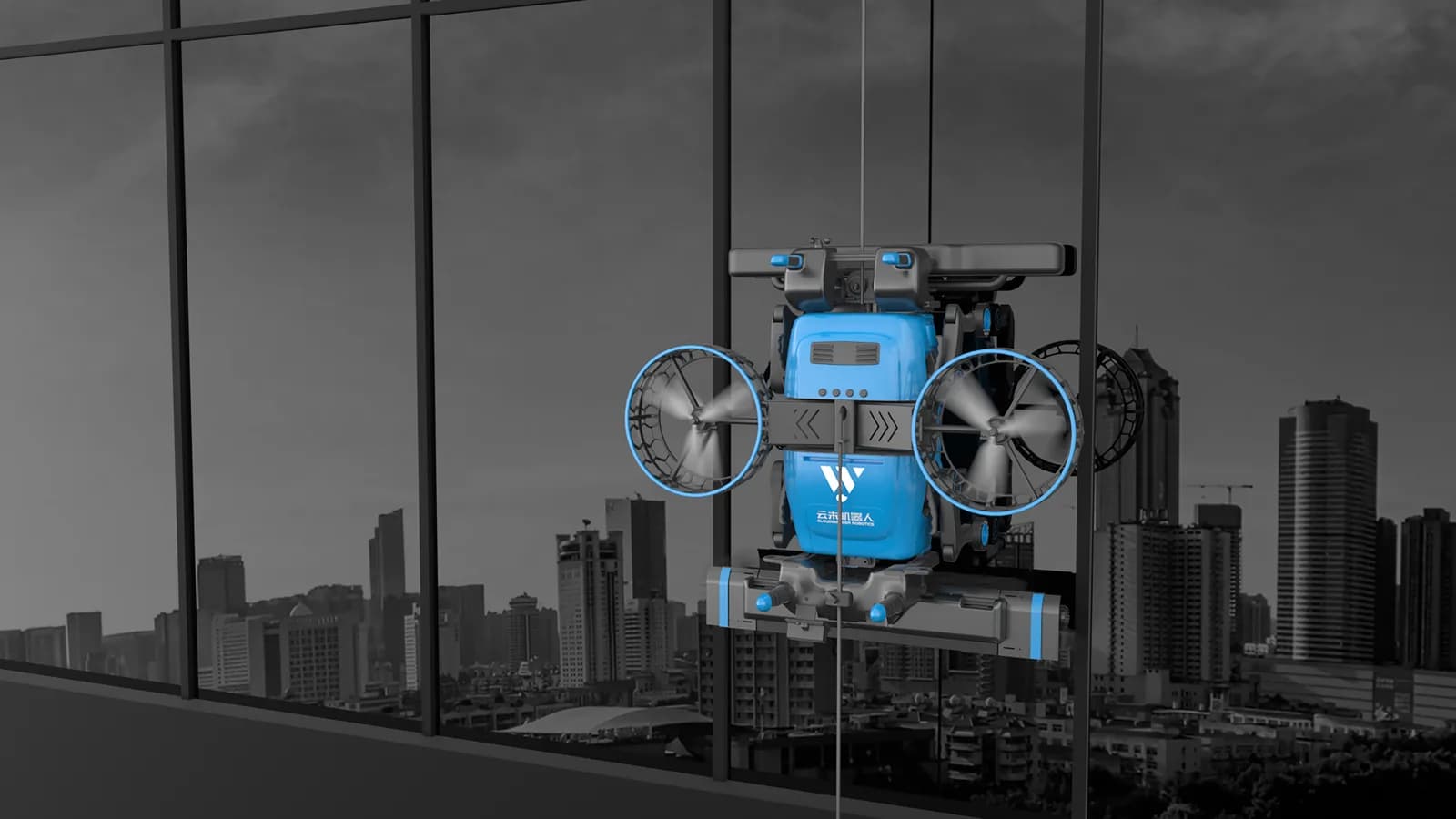
A wheel-leg robot for cleaning curtain walls and façades at height. Twin rotors, binocular vision and a roller brush bring the cleaning system to the surface.
 1 / 2
Price on request
Configuration and availability confirmed by MIRS
Configured for your façade, surface and site.
How it works
Mechanical movement, surface contact and cleaning tools work together. A site survey confirms the proposed setup for your building.
The wheel-leg design steps over façade obstacles up to 200 mm, supporting movement across framed and composite surfaces.
Twin rotors provide adhesion and force control, helping maintain the robot’s contact with the working surface.
A binocular vision system detects obstacles and dirt on the façade during cleaning.
An oscillating roller brush works with a flexible wiper to clean the surface.
Applications
Discuss your surface materials, frames and building geometry with MIRS.
Technical details
Brochure figures for the Q1 system. Cleaning output and suitability depend on the façade, surface condition and site setup.
Before you enquire
The rated supply is AC 220 V, 50/60 Hz. MIRS reviews roof access, electrical supply and the proposed setup during the site assessment.
Tell MIRS who will operate the system. Operator training and commissioning requirements are confirmed in the project quotation.
Share the building height, façade materials, frames, obstacles and access arrangements. A site survey confirms the proposed configuration for your building.
For overseas enquiries, delivery is quoted on a DAP basis. Destination and route are confirmed in your quotation.
Standard warranty applies; coverage and support are confirmed in your quotation.
Talk to MIRS
Share your building, façade and project location. MIRS will discuss the configuration with you.
Talk through your requirements with MIRS.